How to Start a Vehicle Inspection Business: What to Put in Place Before Your First Order
October 22, 2026 · By Antone Hempstock
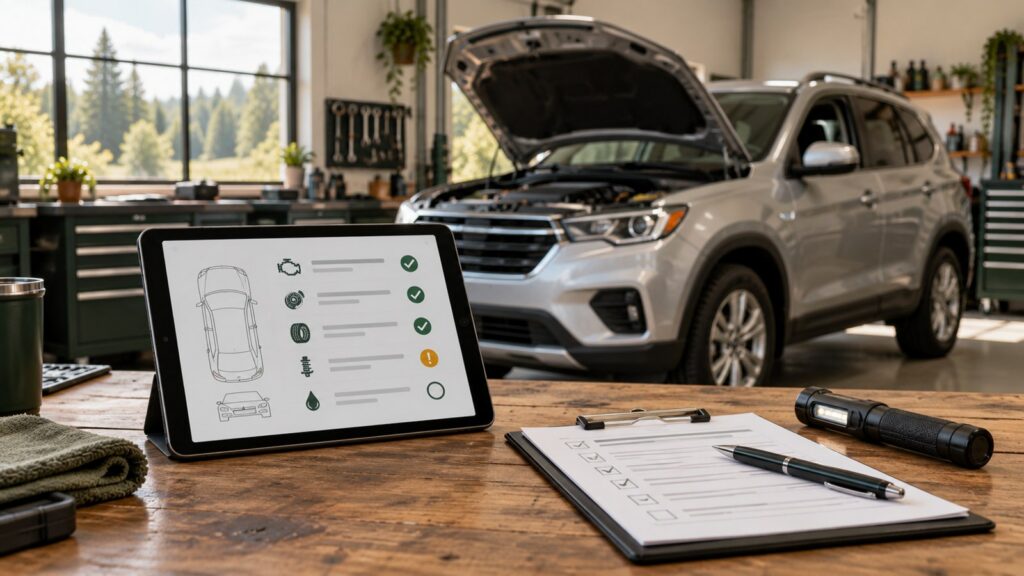
Starting a vehicle inspection business takes more than knowing what to look for under the hood. You also need a dependable way to take orders, assign work, document findings, and deliver a report customers can understand.
I founded and sold Lemon Squad, a nationwide automotive inspection business, and I’m now building Clunker Busters. That experience shapes how I think about starting an inspection company: make the work repeatable before trying to make it bigger.
If you’re planning a vehicle inspection business, here are the pieces I would work through before accepting the first order.
1. Decide who you serve and what you inspect
A private buyer considering a used SUV may need something different from a dealership or a company managing fleet vehicles. Choose your starting customer and define the service around that need.
Write down which vehicles you cover, your service area, what an inspection includes, and what it does not include. Explain how access, weather, seller cooperation, and permission for a road test can affect the work. Be clear that an inspection records observations at a particular time; it cannot guarantee a vehicle’s future condition.
2. Set an inspection standard people can follow
A customer should receive a consistent service regardless of who completes the assignment. Create a checklist that explains the required observations, photographs, notes, and reporting steps.
- Define the photos needed to support the report.
- Separate observed defects from items that could not be checked.
- Explain how to record warning lights, visible damage, and diagnostic findings where applicable.
- Give inspectors a clear way to flag an issue that needs review.
A checklist should guide attention without encouraging anyone to mark an item complete when it wasn’t checked.
3. Plan how you will find and support inspectors
If other people will perform inspections, decide how you will evaluate their experience, review sample work, and communicate your standards. Equipment alone does not tell you whether someone can produce a useful report.
Start with coverage you can support reliably. Make assignment acceptance, scheduling, travel expectations, and payment arrangements clear before sending work. Give inspectors a contact for problems in the field, including a seller who is unavailable or a vehicle that cannot be accessed safely.
4. Price the whole job
Your price needs to account for more than inspection time. Build a simple cost model that includes inspector compensation, travel, payment processing, report review, customer support, software, and other operating costs.
Work through a nearby assignment and a distant one. Then consider a cancellation, a failed appointment, or a report that needs clarification. Decide how those situations will be handled and explain applicable charges before the customer purchases.
The goal is a service you can deliver consistently at a price that supports the business.
5. Map the order from checkout to final report
Before buying more software, write down the handoffs:
- The customer submits the order and receives confirmation.
- Someone checks the vehicle details, location, and access information.
- An inspector accepts the assignment and coordinates the appointment.
- The inspector completes the work and submits the findings.
- The report is reviewed for completeness and clarity.
- The customer receives the report and knows where to send questions.
Assign an owner to each step. For a more detailed starting point, see my vehicle inspection workflow guide and my guide to documenting a business process your team can use.
6. Make the report useful to the customer
A long report is only helpful if the reader can understand it. Use clear descriptions and photographs that support the findings. Make limitations visible, especially when a road test, lift inspection, or other check could not be completed.
Create a review process that catches missing photos, contradictory notes, and unclear wording before delivery. Keep observations separate from conclusions that require further diagnosis.
7. Run a practice order before launching
Walk through the complete experience using a test assignment. Check the order form, confirmation messages, scheduling process, photo uploads, report delivery, and customer follow-up.
Ask where someone could get stuck or be left wondering what happens next. Fix those gaps, then document the process so another person can follow it.
Need help putting your inspection business together?
You don’t need to solve every future problem before launching. You do need a clear service, a workable price, and a process that supports the customer and inspector from beginning to end.
If you’re starting an inspection business or improving an existing operation, I can help you work through the plan. My automotive inspection consulting covers workflows, reporting standards, field-team handoffs, and customer communication.